Improving Engagement in Campaign Participation by 24.67%
During the 2024 website renewal, we faced a key challenge: low engagement in campaign participation. As the sole product designer, I identified friction points in the user journey and introduced UX-focused iterations that led to a 24.67% increase in participation. My role was to lead end-to-end UX UI redesign to improve campaign clarity, trust, and engagement, identifying user points and delivered targeted design solutions.
01
02
03
04
How might we create clear and engaging campaign experiences that make it easy for users to find and participate?
01
Simplifying the campaign card layout will help highlight only the most essential details, making it easier for users to scan.
02
Showcasing compelling stories and authentic visuals will foster a stronger emotional bond between users and campaigns.
03
Clarifying the message that “donating is participating” with structured forms, and upfront visuals of rewards, will build trust.
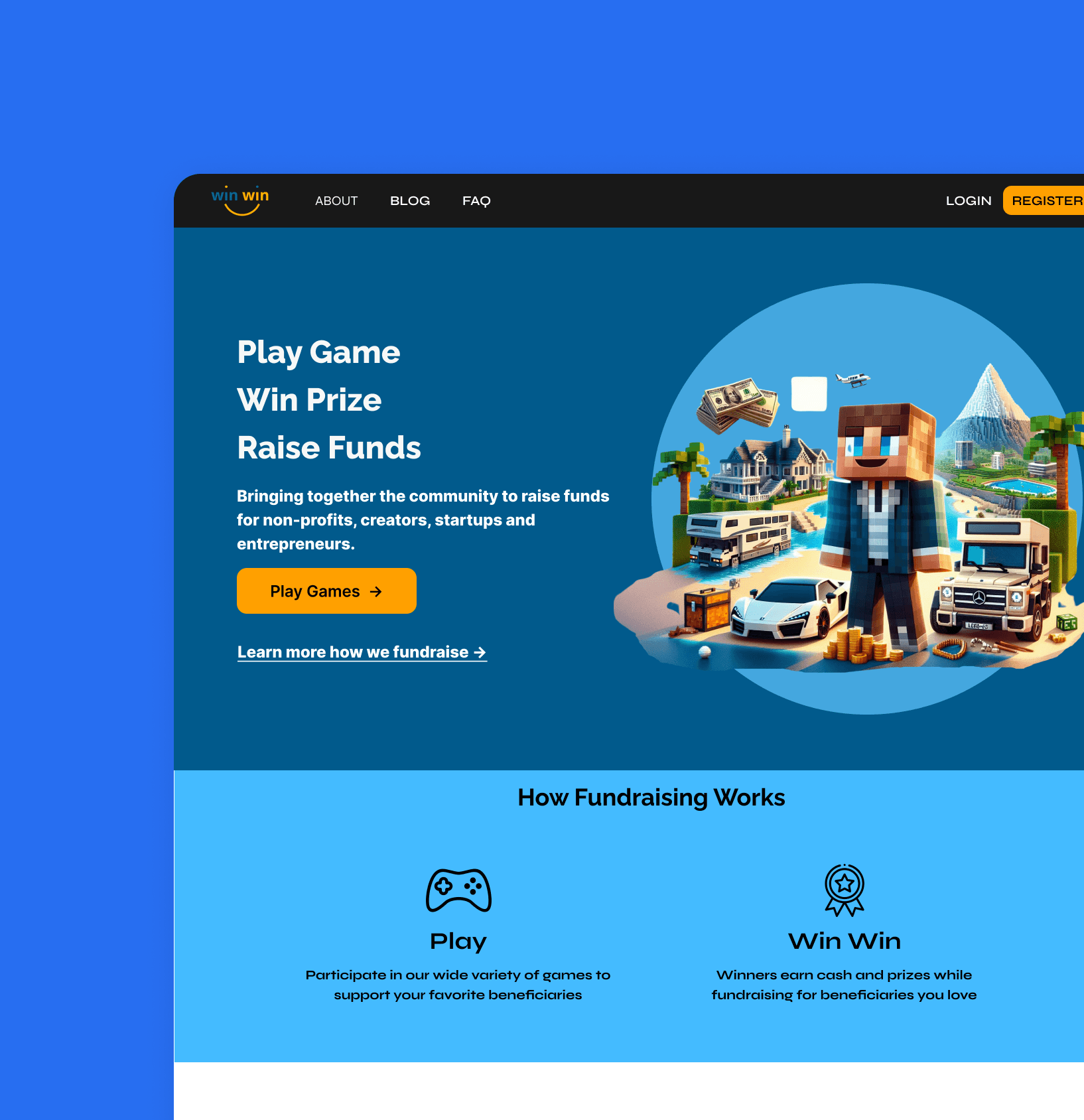
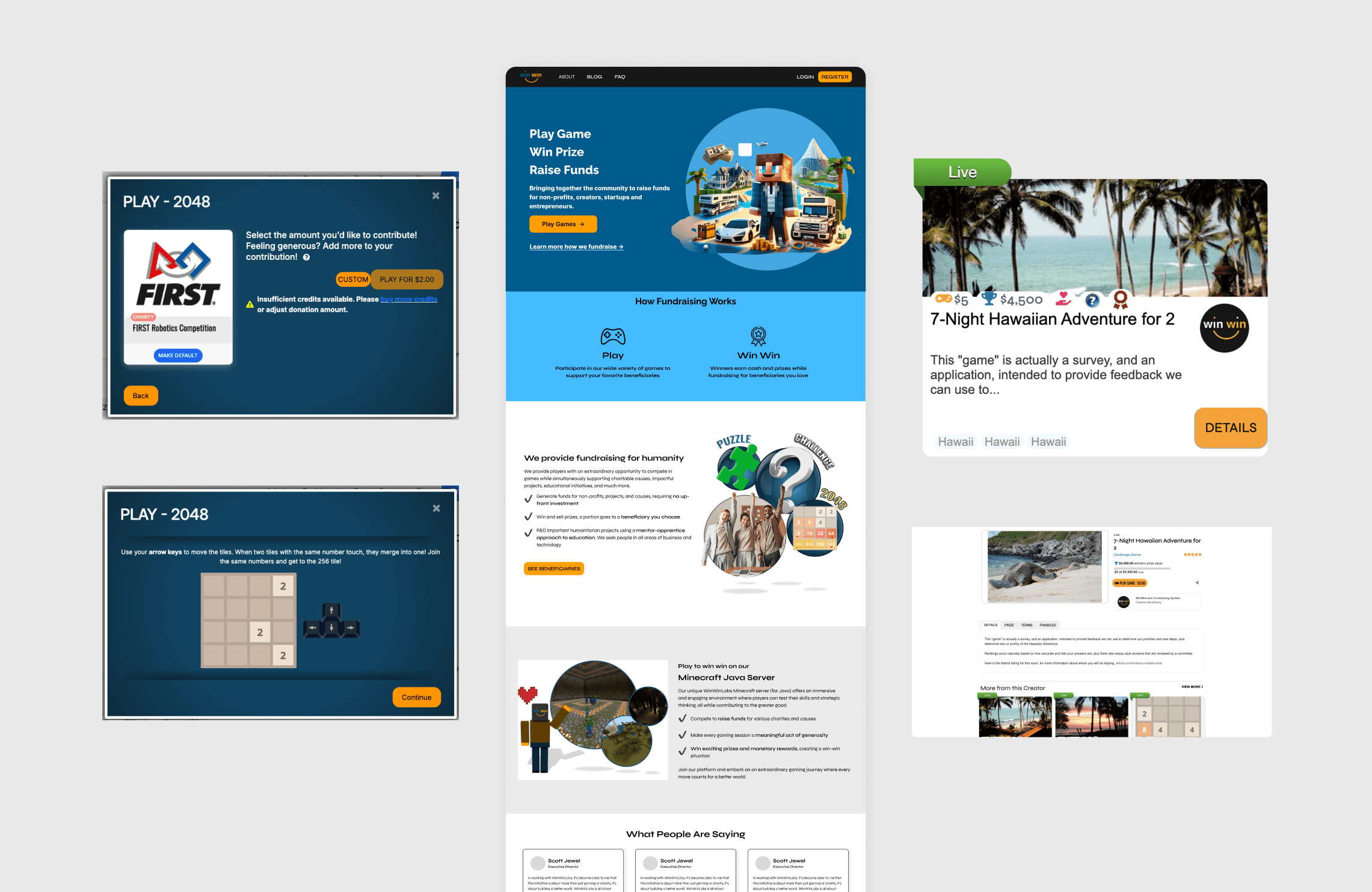
1. Homepage: Effortless Campaign Discovery
Redesigned the homepage to prominently feature campaigns, reducing friction and enabling users to discover them right away to encourage exploration and make campaign engagement more intuitive.
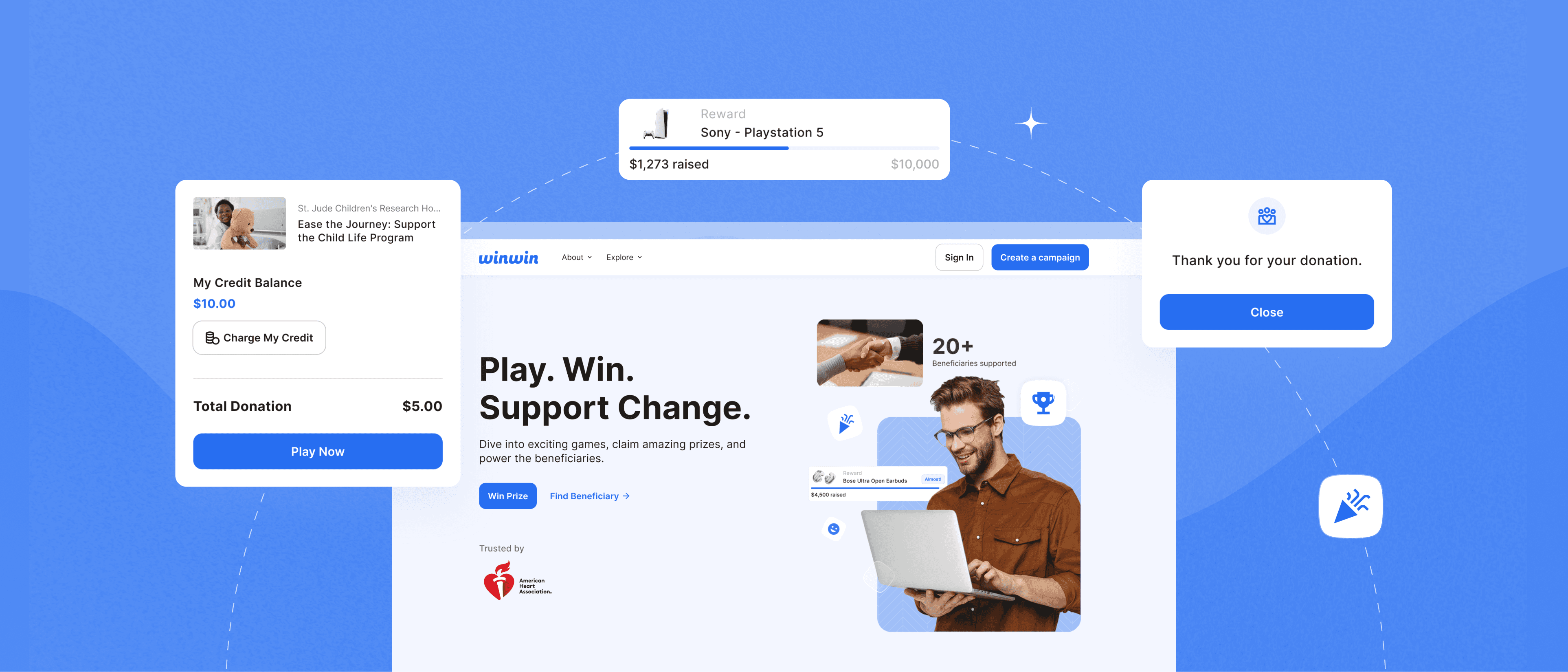
2. Play Game to Fundraise Journey
Clarified fundraising-to-gameplay flow by surfacing key details and improving hierarchy, making the experience more intuitive, trustworthy, and motivating.
3. Custom Donation: Supporting Without Playing
Reframed the custom donation option as “Support Without Playing” and relocated it to the campaign page—aligning with user intent, clarifying the difference from gameplay, and increasing donation engagement.
4. Mega Menu: Smarter Navigation
Introduced a Mega Menu to streamline browsing across categories and subcategories. Key content areas became easier to access, while contextual recommendations guided users toward featured campaigns to boost visibility.
28 %
Increase in campaign participation
26 %
More users engaged with the "Support Without Playing"
Working on this project challenged me to think beyond single-product promotion and toward ecosystem storytelling—how users perceive value when multiple products are positioned together. It also deepened my understanding of how UX and business goals can align through thoughtful content strategy and design.
One key takeaway was the importance of guiding discovery not just through layout, but through contextual education—especially for users unfamiliar with the brand or product. If I were to revisit the project, I’d explore interactive elements or bundling features that help users build their own routines with more confidence.